Industries / Research
A Programmable Underwater Laboratory
Research needs hardware that adapts to the experiment, not a sealed box. Subnero software-defined modems work across every layer of the stack, so the modem becomes a programmable platform for communication, navigation, sensing and a lot more.
Hardware That Adapts to Your Research
Most underwater modems are closed boxes. Subnero modems run UnetStack, an open architecture, agent based software stack that works across every layer from the application down to the physical layer. The same platform that carries data is the platform you reprogram for your experiment, on the bench, in simulation, and in the water.
Fully programmable
Build and run your own protocols and agents in UnetStack, from physical layer waveforms to network behavior.
Access every layer
Reach the physical, link, and network layers directly, with raw signal access for physical layer research.
Reproducible results
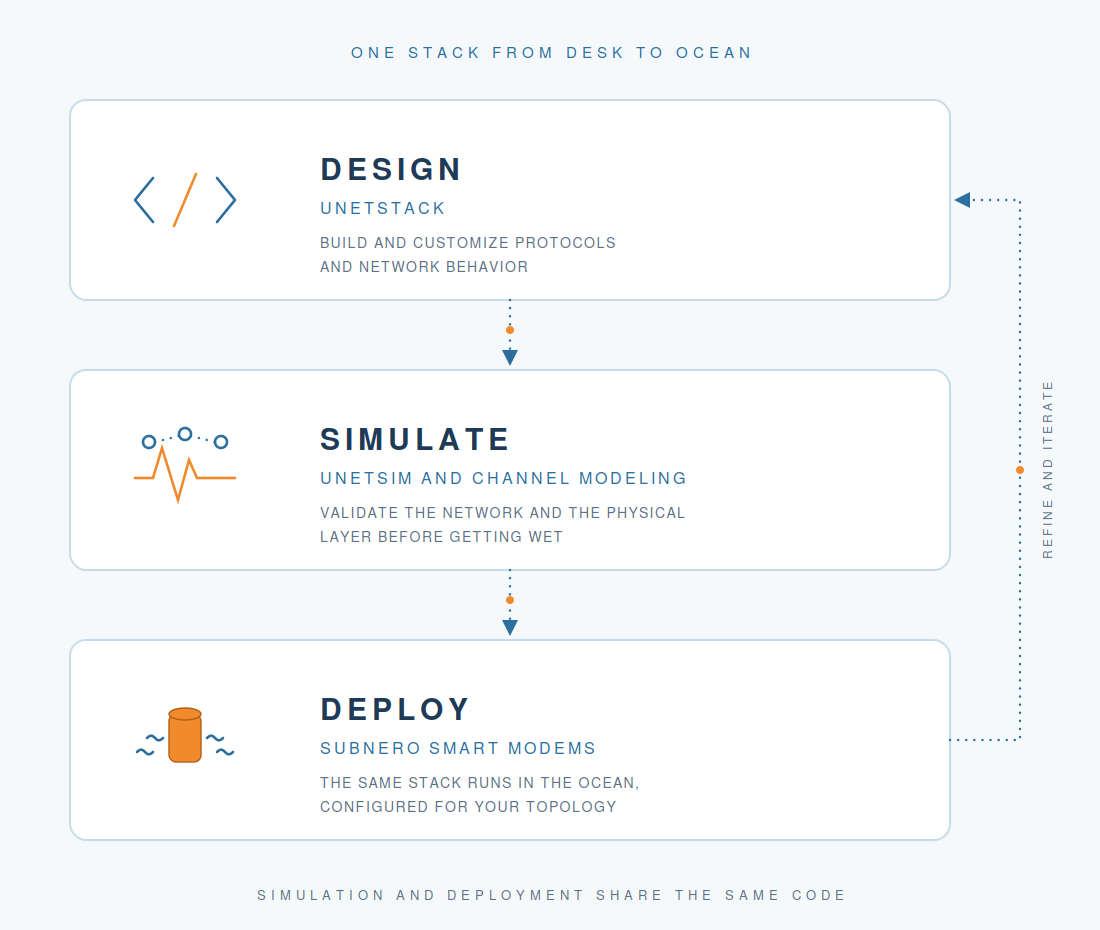
Validate in UnetSim and channel models, then deploy the same code in the water, so results carry from desk to ocean.
One platform, many roles
Communication, navigation, and sensing on a single programmable device, instead of separate instruments.
One Communication Platform, Many Experiments
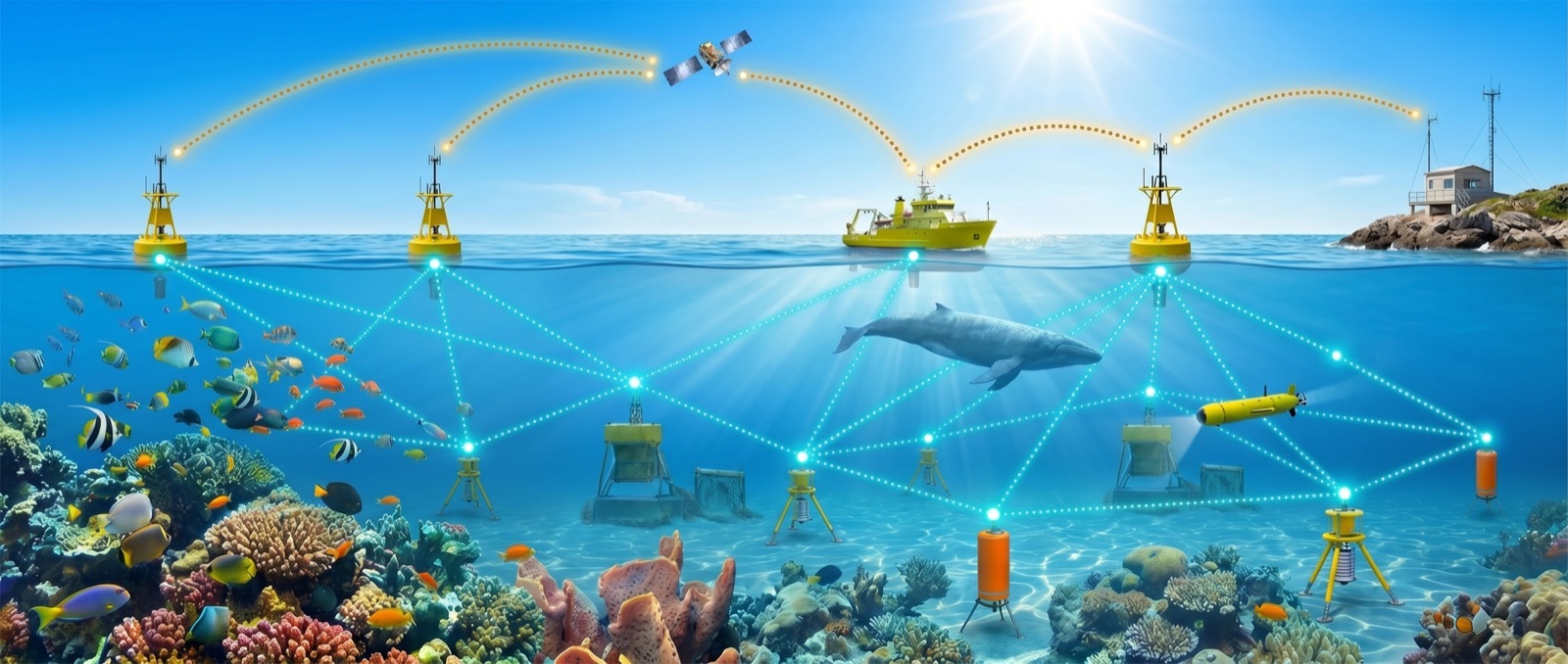
From a single programmable modem to a wide area network of nodes all running UnetStack, the same software-defined platform supports the full range of underwater research, and carries results to the surface, shore, and cloud.
Research Applications
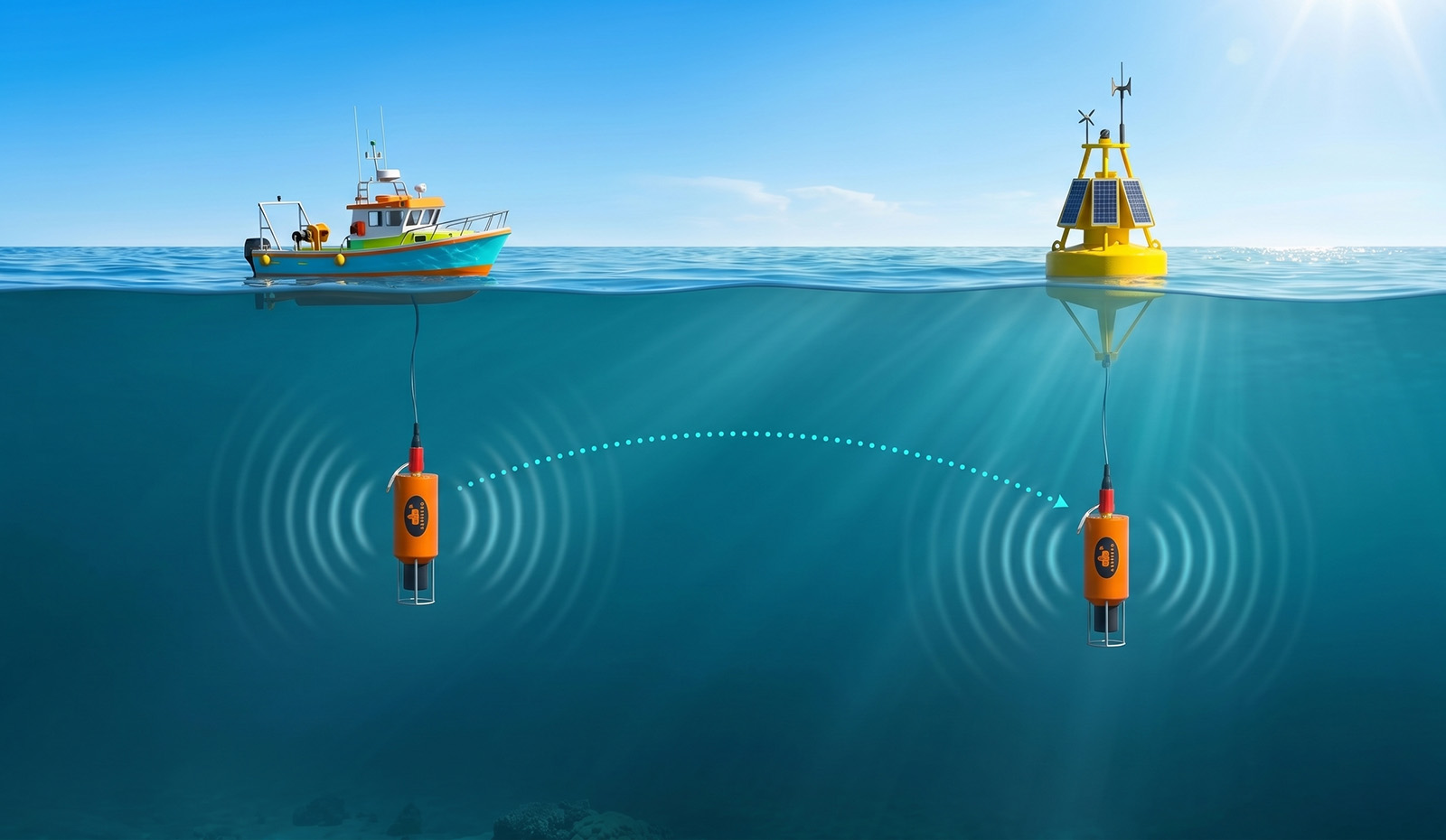
Custom Protocols and Physical Layer Research
Test new modulation, coding, and protocols on real hardware. Built on UnetStack.
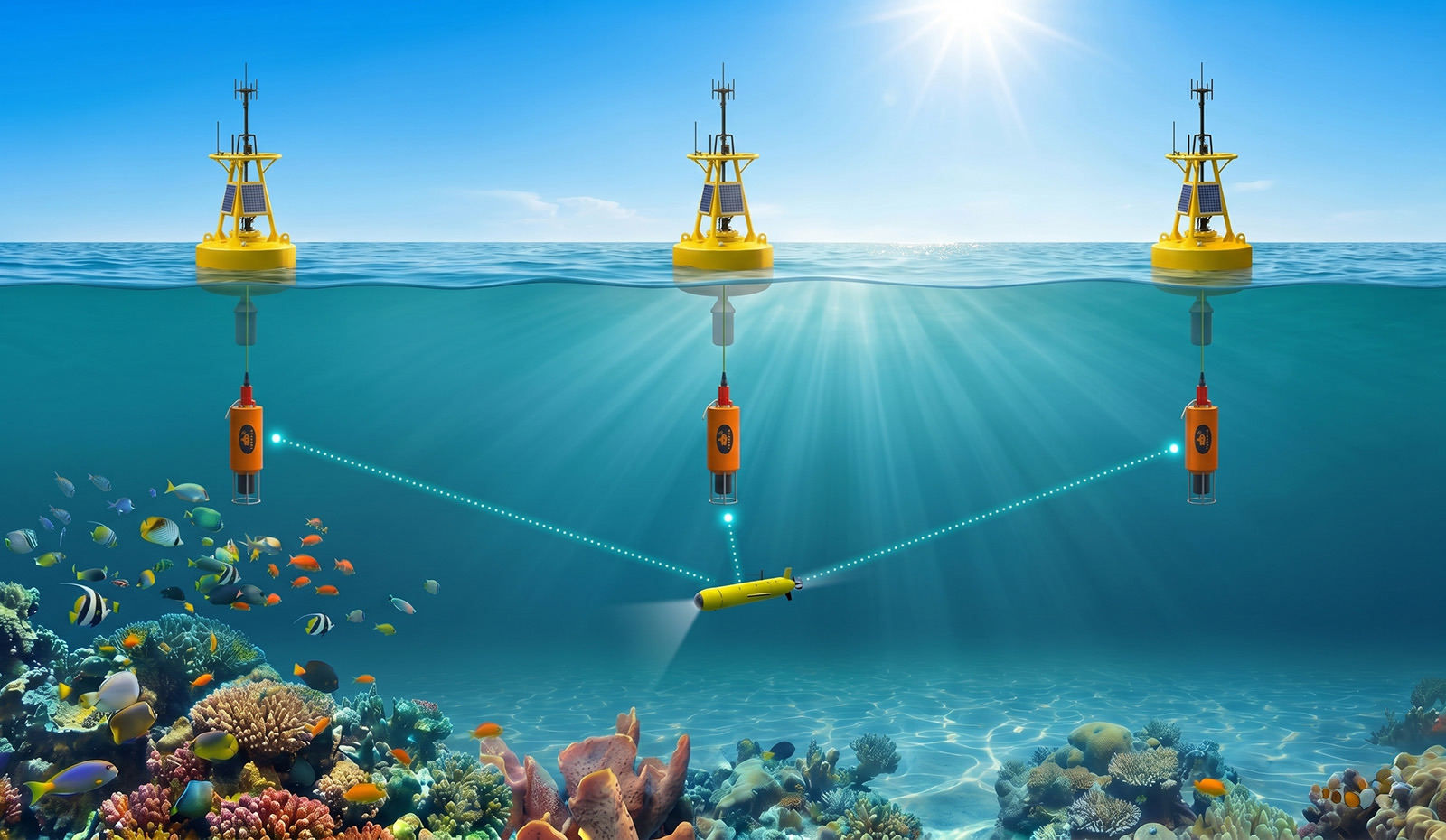
Navigation and Positioning
Ranging, localization, and tracking from the same modem. See One Modem, Two Jobs.
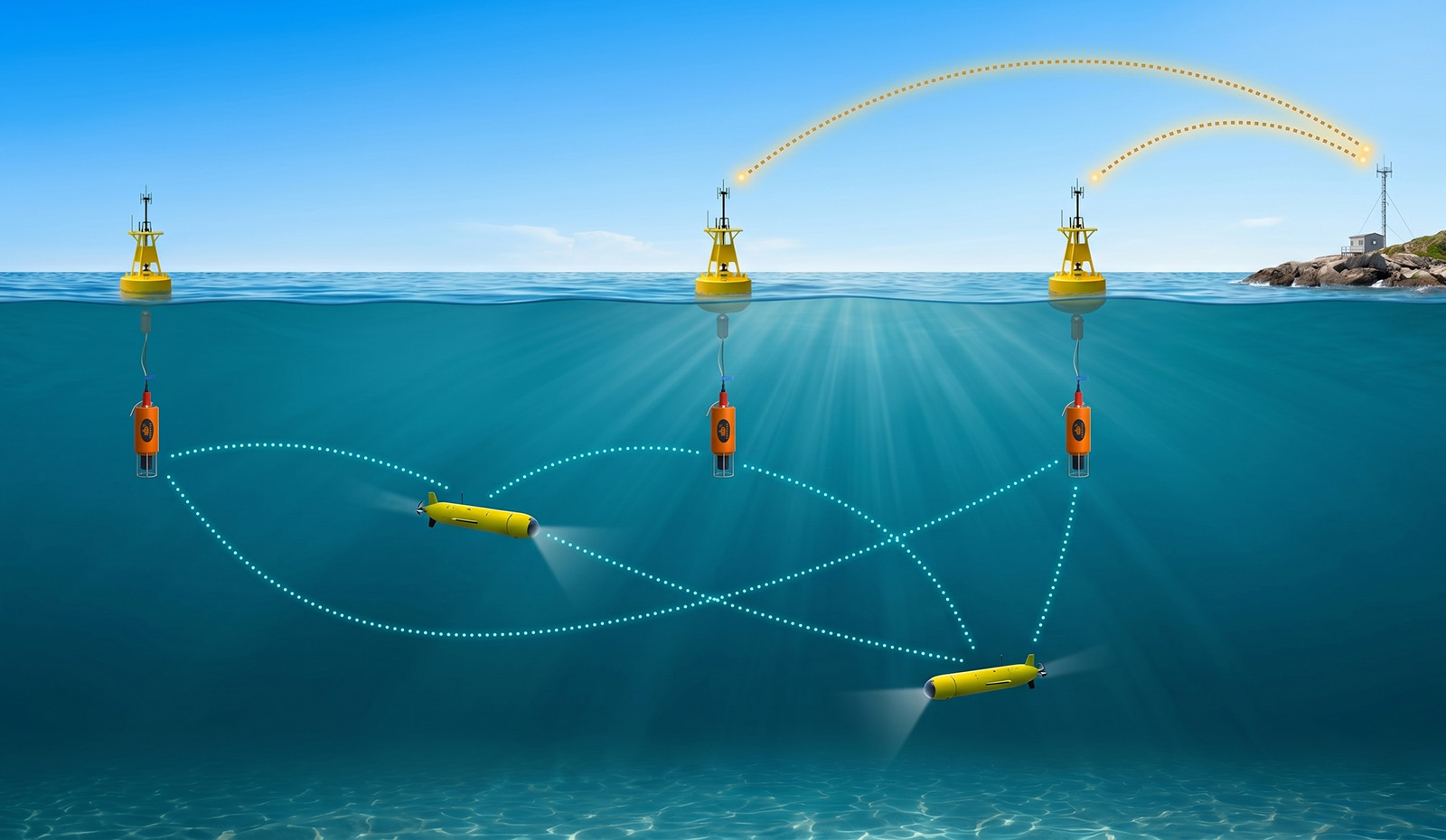
Underwater Network Deployments
Build testbeds and study cellular and mesh topologies at scale. Built on the Subnero Underwater Network.
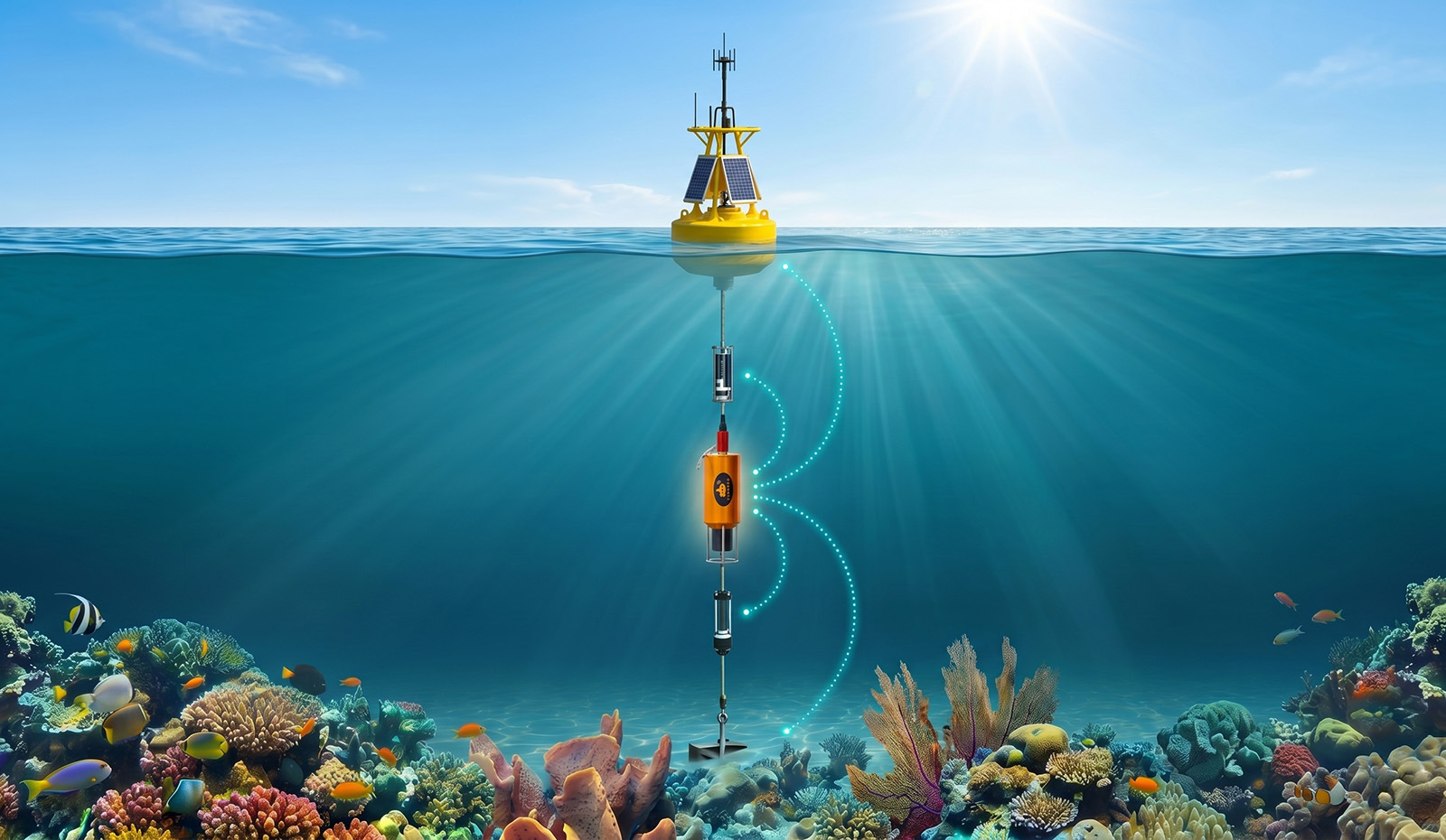
Sensing and Edge Processing
Run your own algorithms on the modem and add sensing in software. See the case study.
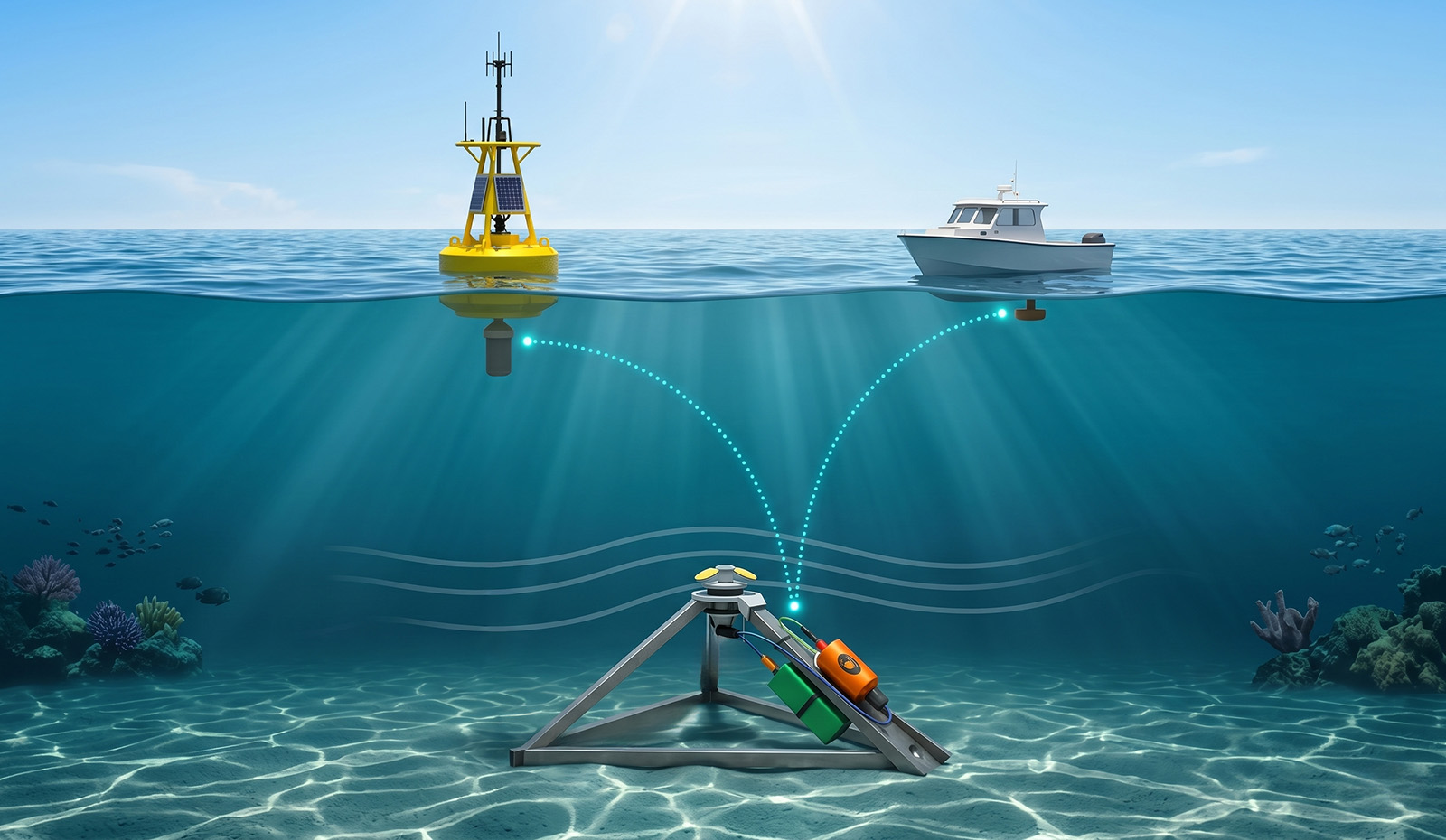
Physical Oceanography
Collect currents, waves, and water column data, relayed to shore as gathered. Built with SWIS ADCP.
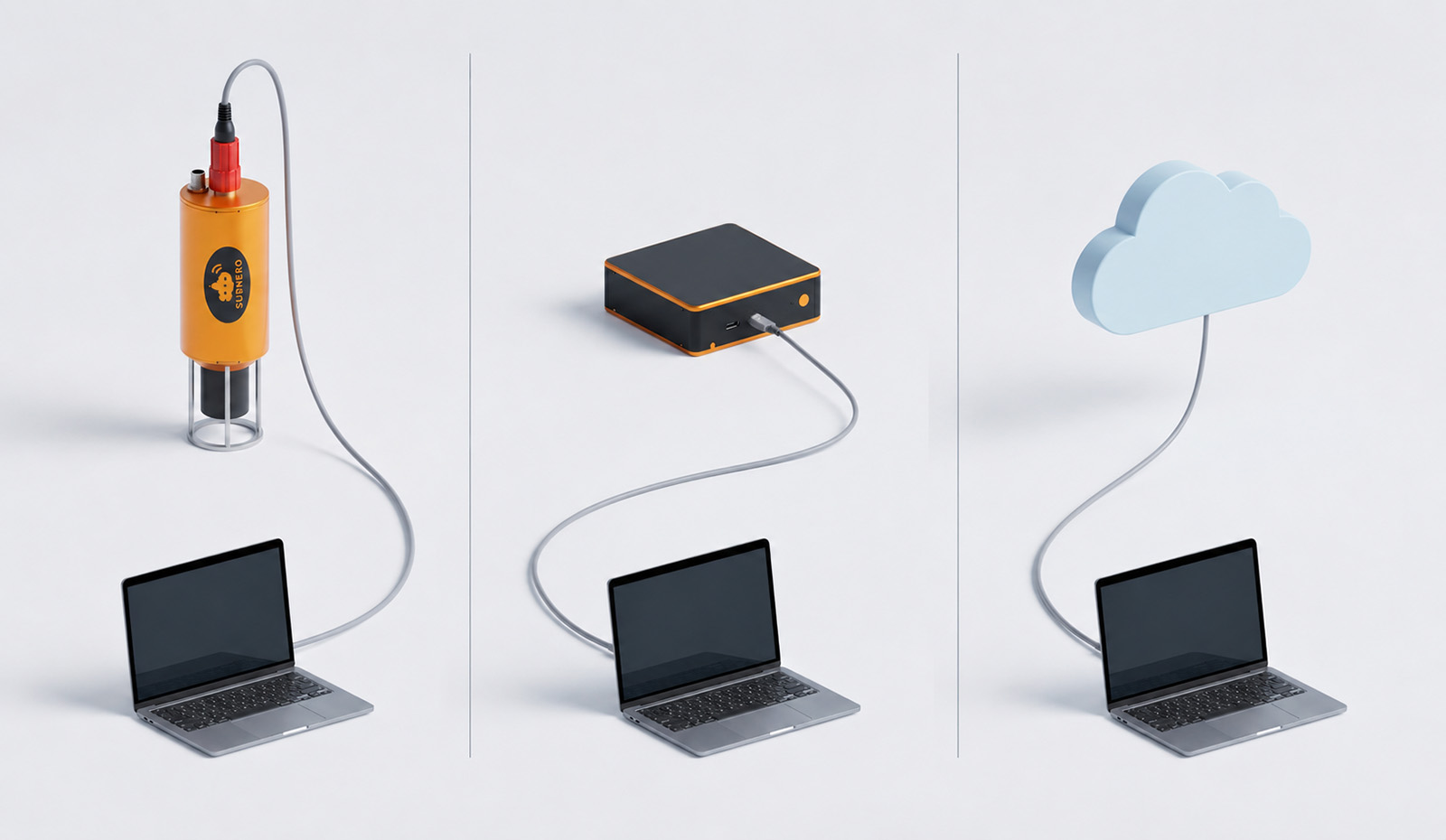
Full Simulation Ecosystem
Simulate networks, hardware-in-the-loop and in the cloud, from desk to deployment.
A Flexible Platform for Underwater Research
Work across multiple levels of the stack, integrate your own instruments and vehicles, simulate network behavior, and move from the bench to field trials on one platform.
Work across the stack
Customize behavior at multiple layers, run your own processing on optional coprocessors, and adapt the modem to your experiment.
Integrate your way
Connect through standard programming interfaces and integration libraries, so the platform fits the tools and instruments your lab already uses.
Built for physical layer research
Explore physical layer research with multi-receiver and waveform-level access, optional coprocessor upgrades, and extra channels for spatial diversity and localization.
Full stack and simulators
Deploy a subsea network out-of-the-box for routing research, simulate at both network and physical layers, and scale the modular architecture from full modem to the UnetCube.
Your Tools, From Desk to Ocean
Research needs to be designed, validated, and reproduced. UnetStack builds and customizes protocols, UnetSim simulates the full network, and physics based channel modeling tests the physical layer against realistic conditions. Validate on your desk, then deploy the same code in the water.
- UnetSim: simulate the full network, topologies, and protocols at fleet scale.
- Hardware-in-the-loop simulation: run real modems against simulated channels and scenarios.
- UnetCube: the same software stack on a compact OEM development platform.
Proven in the Lab and the Field
The Underwater Acoustic and Navigation Lab (ANL) used Subnero modems to implement three advanced sensing applications, turning the modem into a programmable underwater laboratory.
Read the programmable research modem story.
The same software-defined platform underpinned one of the world's first underwater cellular network testbeds.
Read the underwater cellular network testbed story.
The Acoustic Research Laboratory (ARL) at NUS integrated a Subnero modem into an OceanScan MST LAUV itself, with no changes on either side, and open sourced the bridge.