Industries / Marine Robotics
Connected Autonomy for Marine Robotics
Every untethered subsea mission depends on the same thing: connectivity the vehicle can trust. Subnero provides it.
More Than a Modem
Most vehicle programs start by choosing a modem. But a dependable link underwater depends on more than the hardware at each end. Conditions change through a mission, vehicles carry more than one way to communicate, different data needs different handling, and multiple vehicles have to share a limited channel. Here is what your vehicle actually needs.
Robust and dynamic communications
The acoustic channel changes with depth, weather, location, and traffic. Subnero modems adapt to conditions, so the same hardware performs in Singapore's coastal waters, North Sea swells, or deep water in the Gulf of Mexico.
Multi-interface management
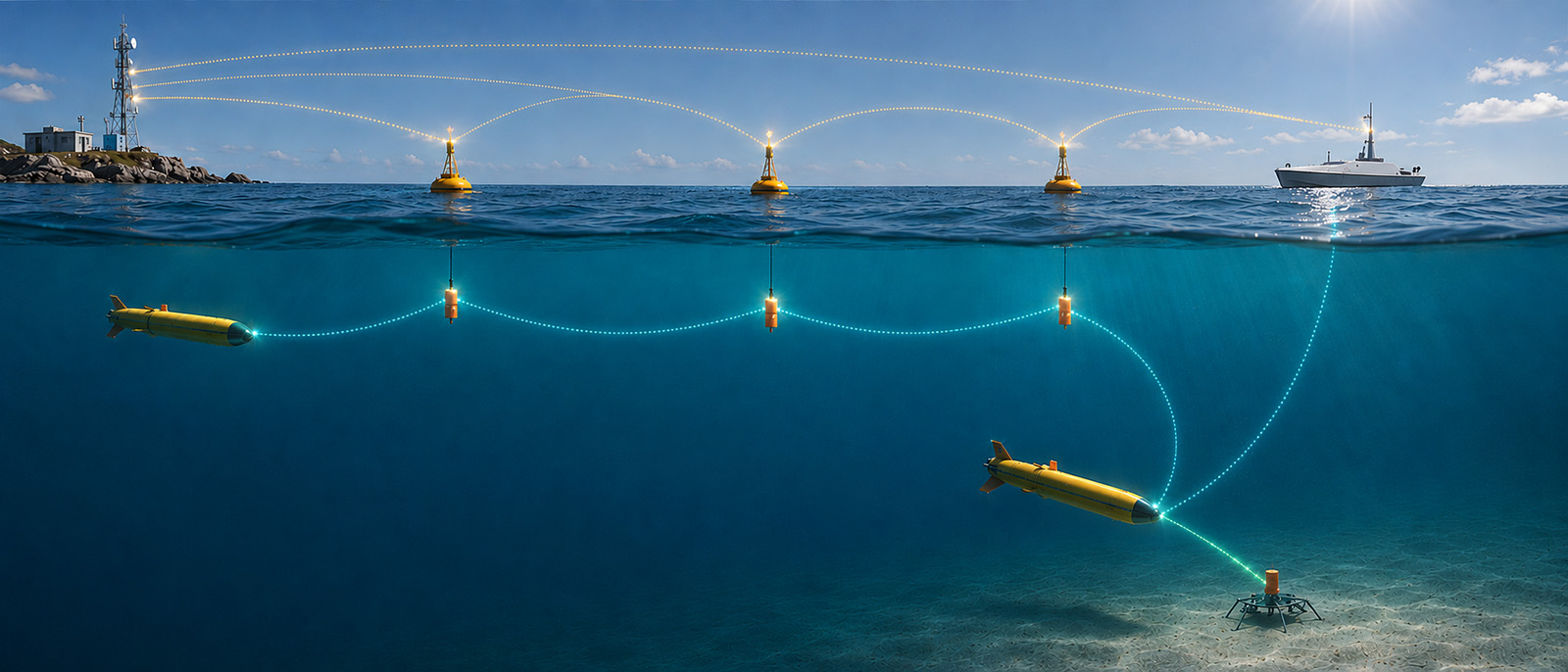
A vehicle rarely has just one way to communicate: acoustics at depth, radio at the surface over WiFi, cellular, or satellite, and optical links at close range for high rate transfers. UnetStack manages them as one network, so your software sends data without having to choose the path.
Data management
Commands, telemetry, and sensor payloads each have their own characteristics: how large they are, how soon they matter, how reliably they must arrive, and what they contain. UnetStack lets your application describe each message on those terms, and handles delivery to match.
Contention-free communication
When several vehicles and nodes operate in the same area, their transmissions can collide and data is lost. Subnero networks coordinate access to the channel, so throughput stays predictable as the network grows.
One Stack, From Simulation to Sea
Our offerings travel the whole journey with you: design in simulation, validate with hardware-in-the-loop, then deploy, with the same software at every stage. Nothing is rewritten along the way: the protocols you develop in simulation are the ones your vehicle runs at sea. And the same stack scales from a single link to a network of vehicles, buoys, and shore stations, without changing how your software talks to it.
Built for Vehicle Integration
Everything you need to give your platform a dependable link, in one place.
Hardware
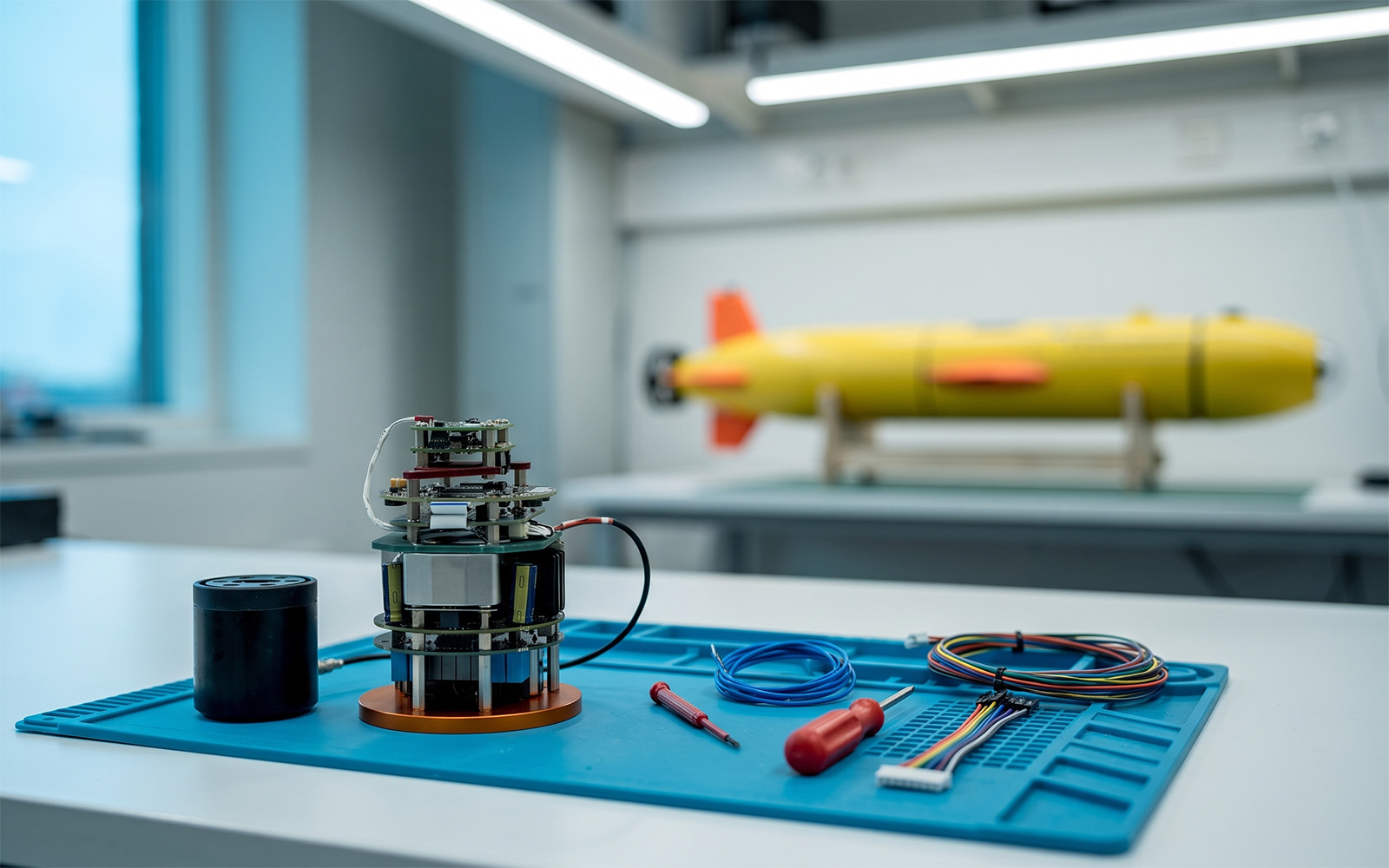
OEM form factor modems for tight vehicle envelopes. Remote head configurations with separate transducers for free flooded platforms. Custom connector and harnessing options to match your vehicle's wiring.
Software
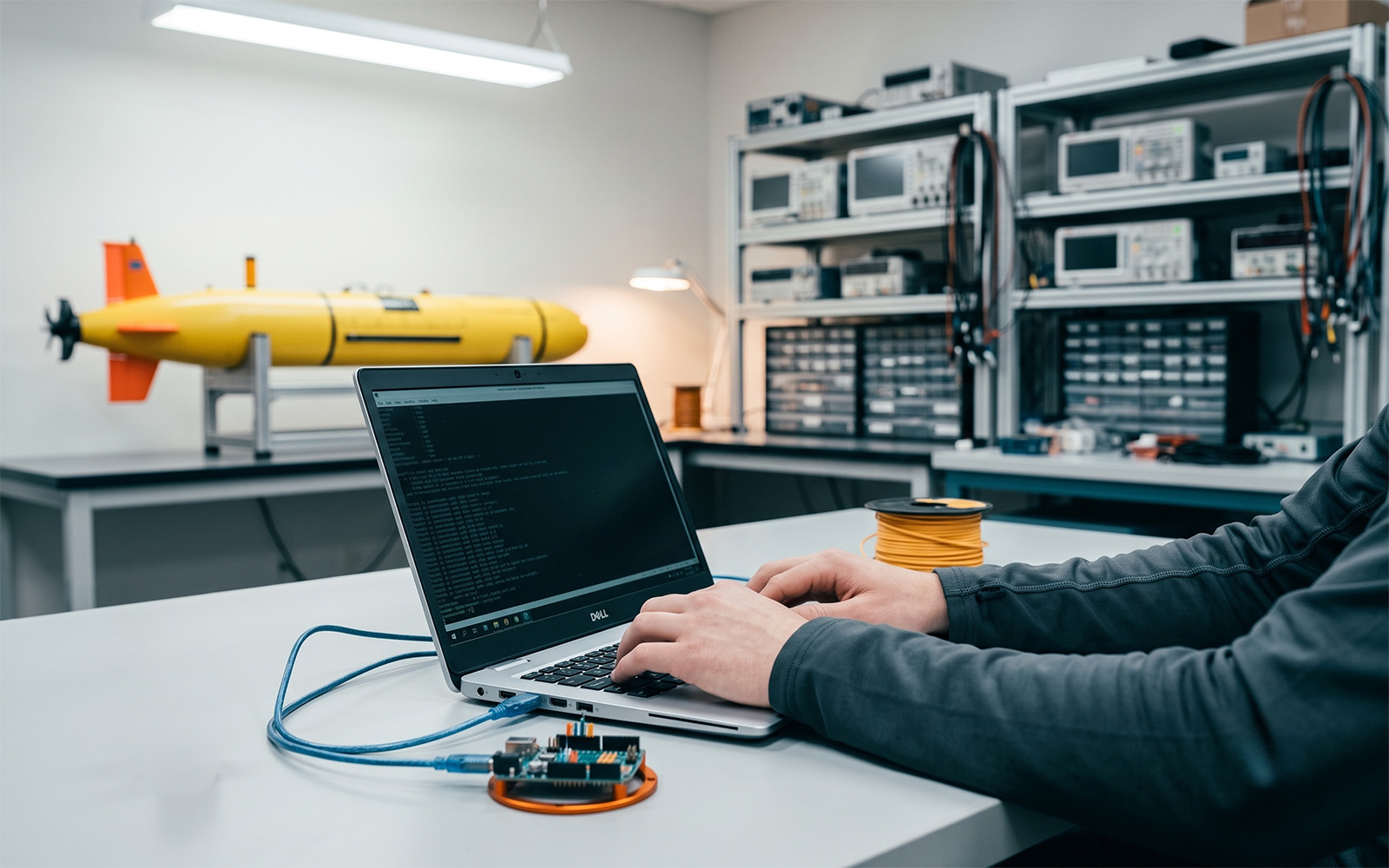
UnetStack is what makes a modem a network node rather than a point to point link, with protocols and delivery behavior you configure for your mission rather than accept as fixed. APIs and ROS bridges make integration with your vehicle software straightforward.
Simulation and testing
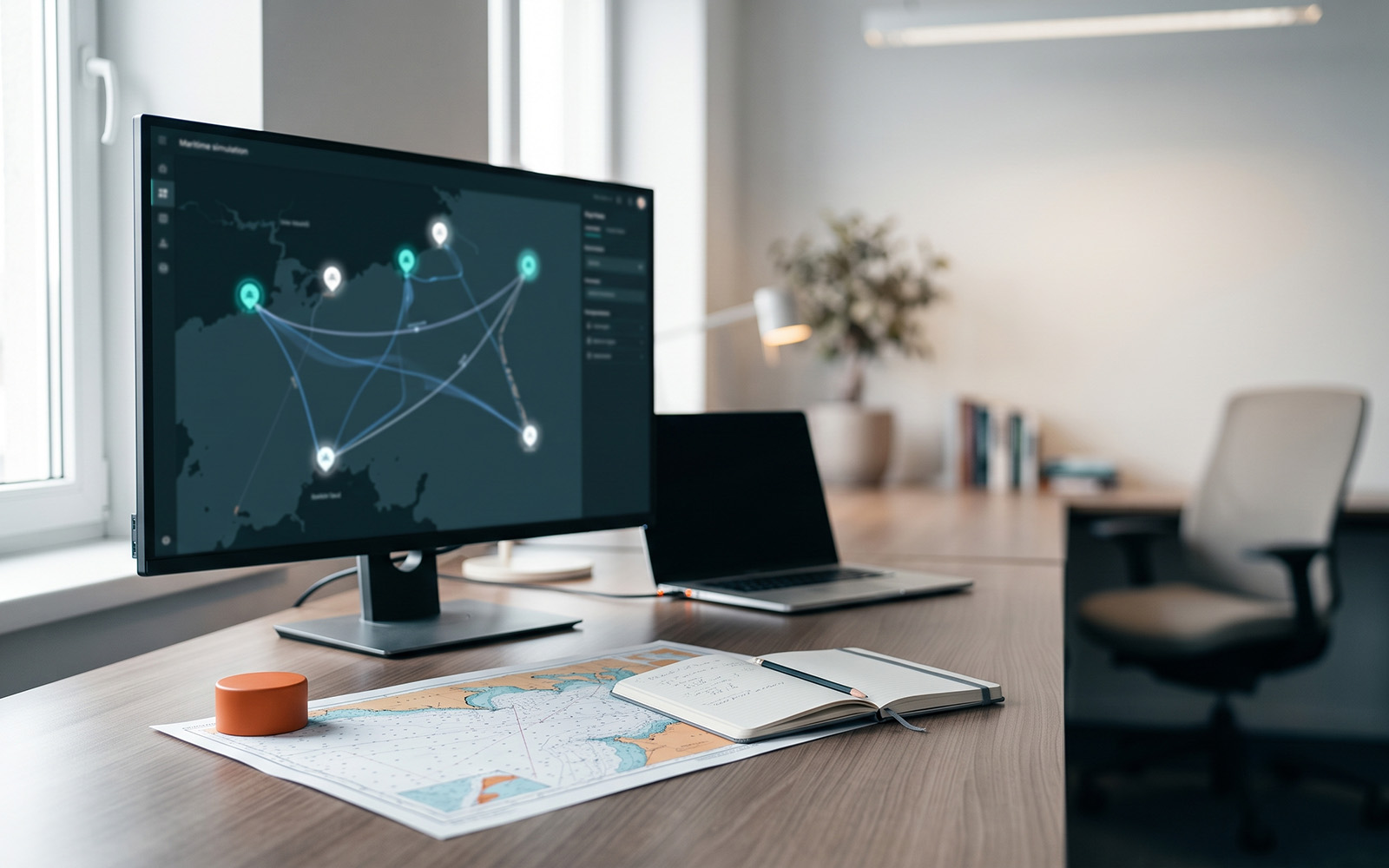
Software-in-the-loop simulation with vehicle motion models. Hardware-in-the-loop testing on the bench. UnetCloud for team-based simulation without local setup.
Training and support
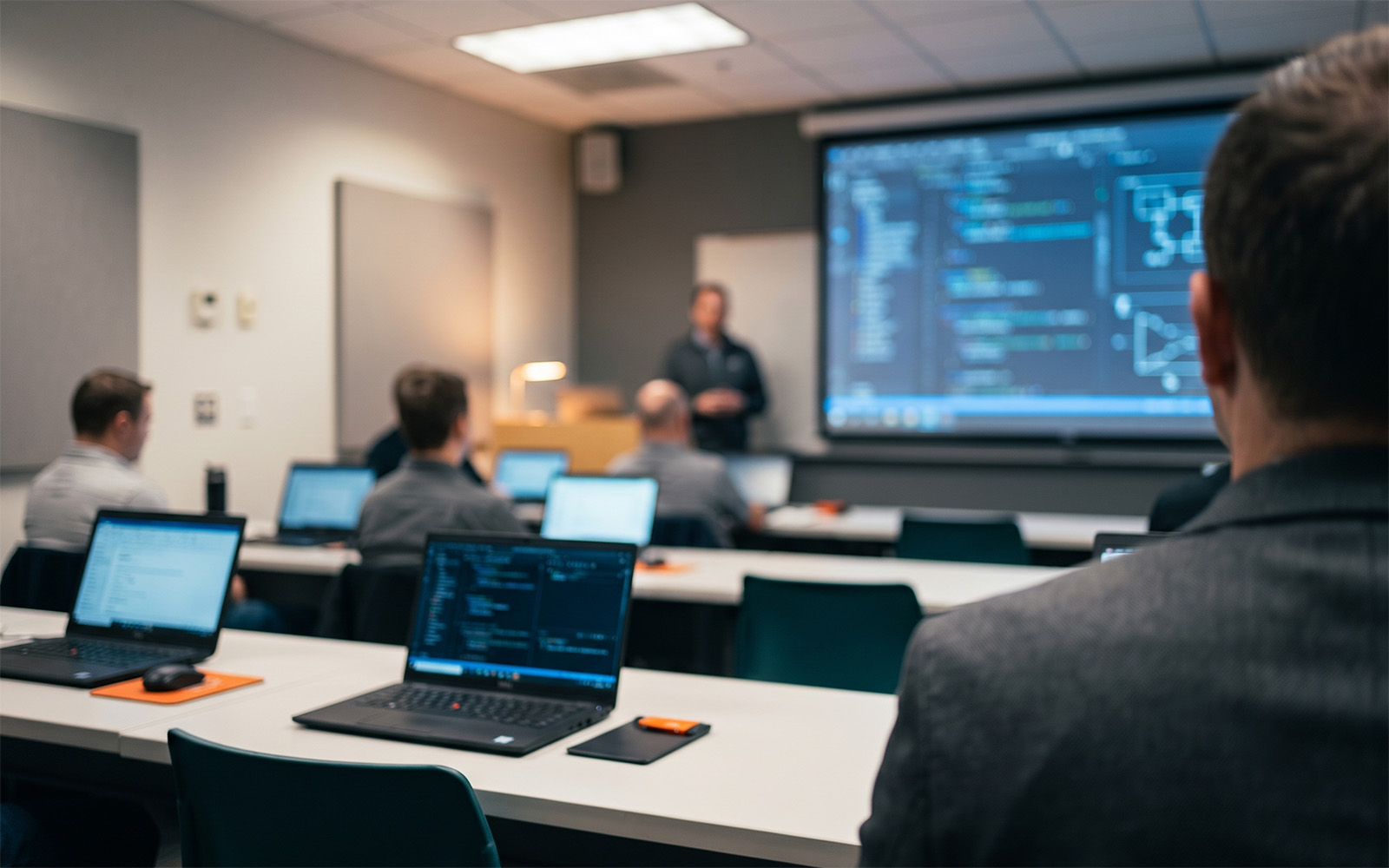
Hands-on UnetStack training for your engineers, and design guidance to get communications right from the first sketch of your vehicle, from transducer placement to network planning.
Simulate First, Deploy With Confidence
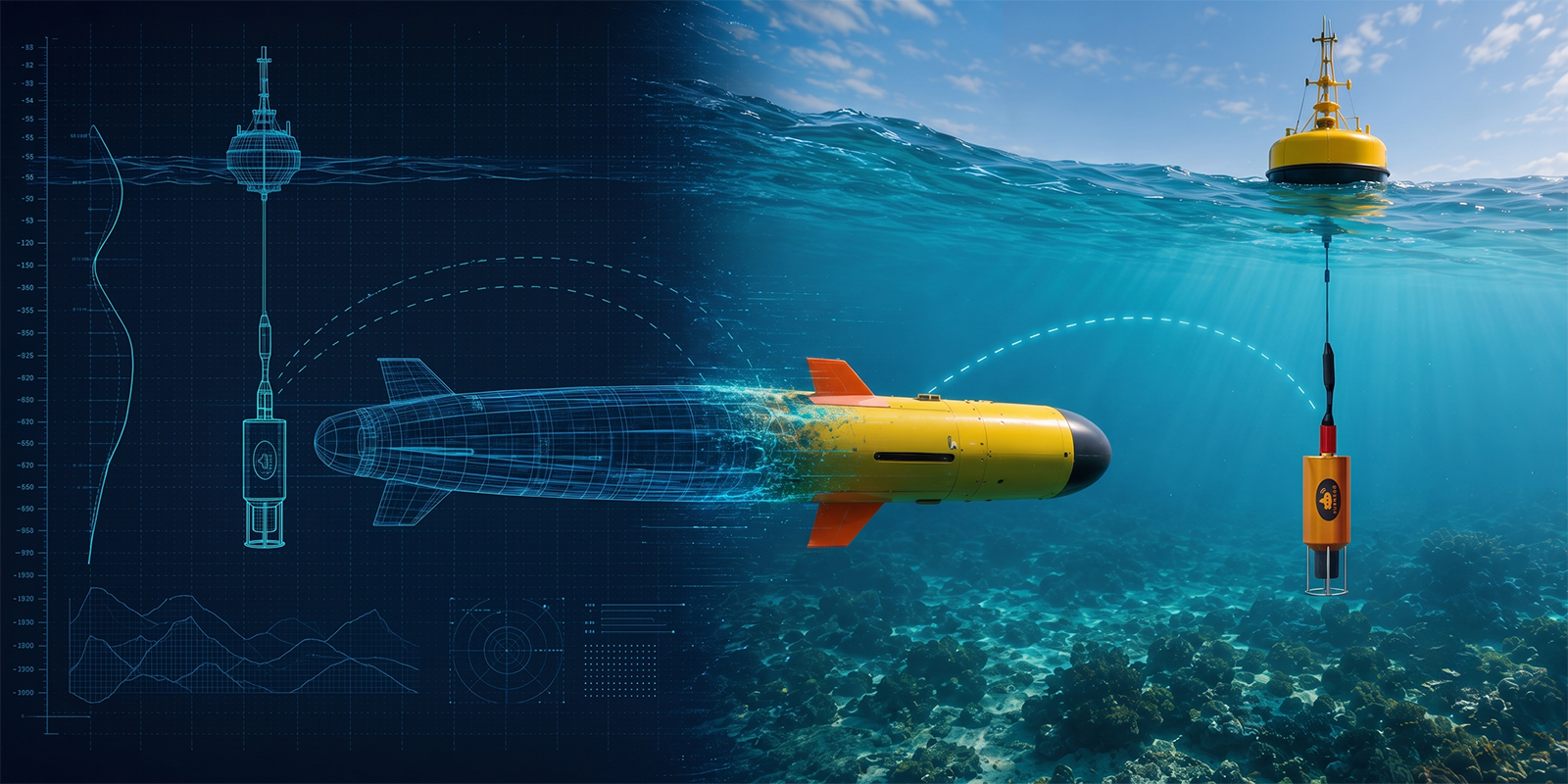
Every Subnero modem supports digital twinning at multiple levels, from network simulation on your desk, through hardware-in-the-loop testing, to a standing digital twin online. The next step is bringing the digital twin onboard, so the vehicle predicts link quality in real time during the mission.*
UnetSim
Simulate the full network, vehicles, protocols, traffic, and environment, before any hardware gets wet.
Hardware-in-the-Loop Simulation
Run your actual vehicle software against real Subnero modems and simulated channels, so what gets tested is exactly what deploys.
UnetCloud
The full simulation environment as a standing digital twin for planning, rehearsal, and training.
Grow With Your Mission
Your mission will ask for more over time, and the platform is built to grow with it. The capabilities below extend the standard stack when you need them. And because UnetStack is open, you can build your own agents and protocols on top of what we provide, using the same framework our engineers use.
Coordinated medium access
Vehicles, topsides, and repeaters share the channel without collisions, so throughput stays predictable as your network grows.
Relay and routing
Data finds its way from vehicle to shore across acoustic, optical, and RF links, over whatever path exists.
Content-aware delivery
Smart codecs and per packet priorities help the mission get what it needs now, even when bandwidth is tight.
Five Levels of Confidence
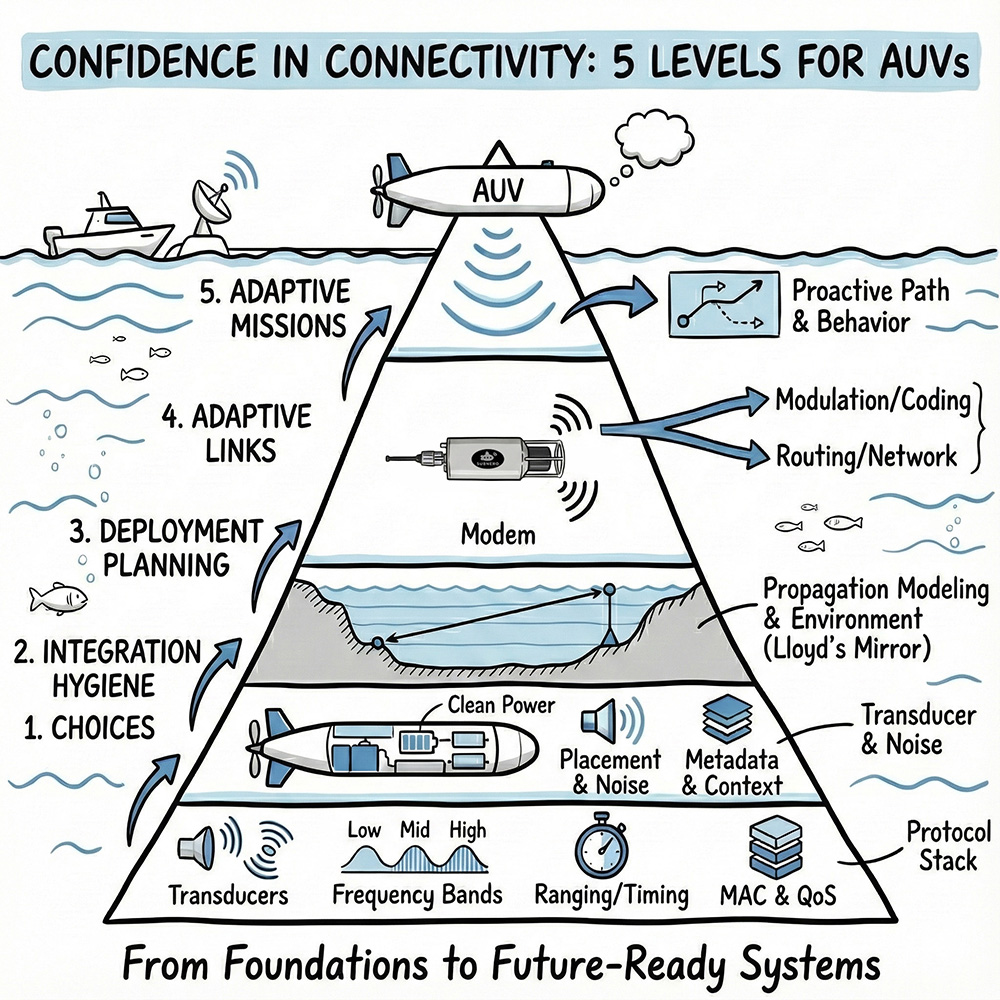
However you build it, capability alone does not make a link dependable, practice does. From years of deployments with vehicle builders and operators, we have distilled that practice into five levels of confidence.
Read the full framework on the Unet Blog: Part 1, Technology, Integration, and Planning, and Part 2, Adaptive Systems and Future Ready Missions.
You do not have to climb these levels alone. Our engineers walk you through them: a hands-on workshop, a configuration built for your use cases, joint rollout on your platforms, and verification in the field. Most requirements resolve to expert configuration, not custom development. You bring the vehicle and the mission. We bring the network.
Proven Where It Matters
With ST Engineering, Subnero deployed one of the world's first commercial underwater cellular networks in Singapore waters.
Read the Singapore underwater cellular network story.
In the Gulf of Mexico, Subnero modems on Nauticus Robotics' Aquanaut held a continuous acoustic link down to 2,300 meters.
Read the deep-water testing deployment spotlight.
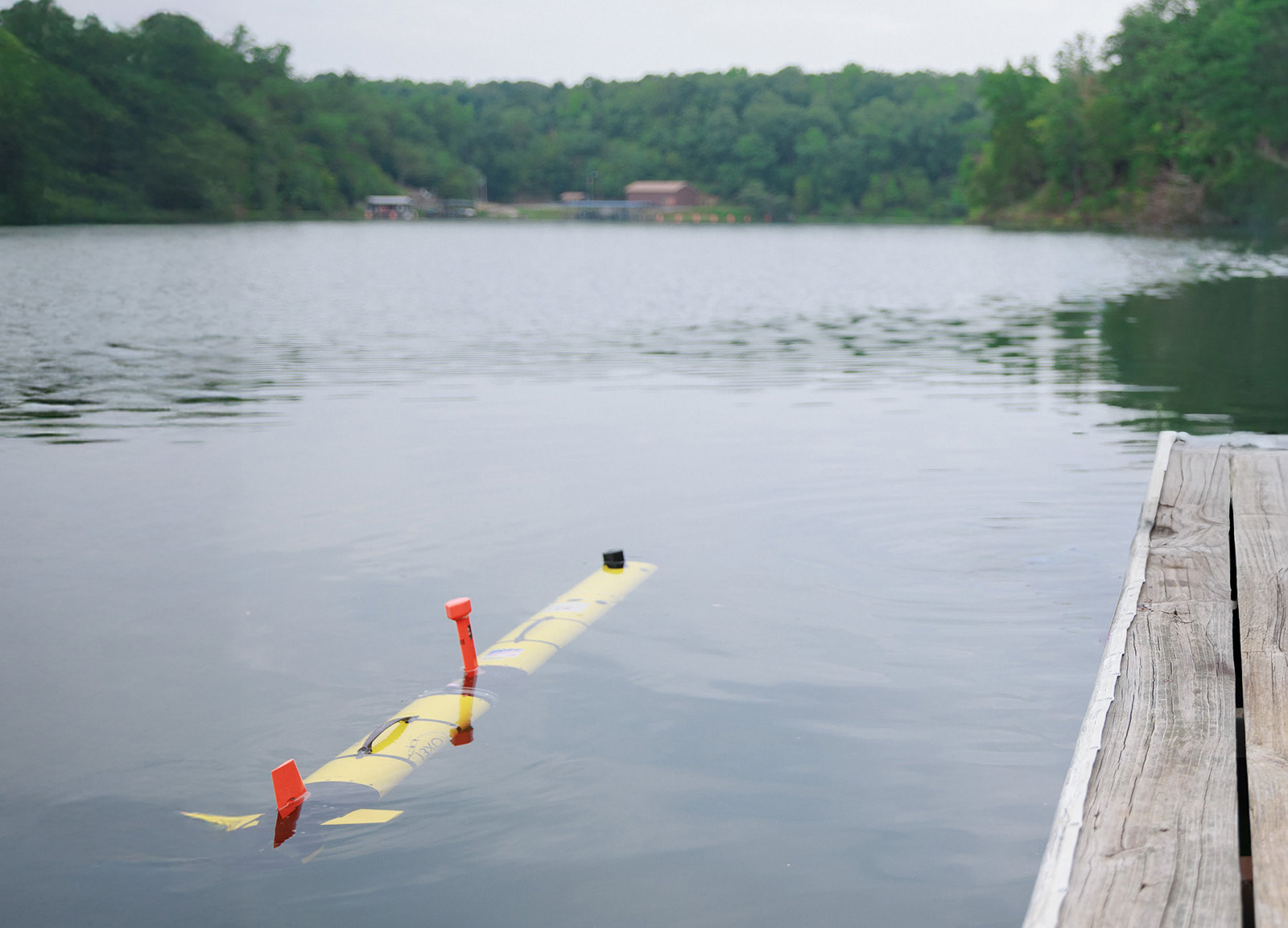
At the University of Alabama's muNet Laboratory, a Subnero smart modem turned a commercial AUV into a programmable, acoustically controlled platform.